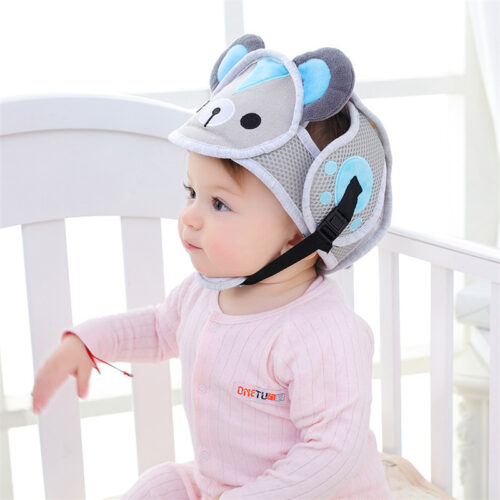
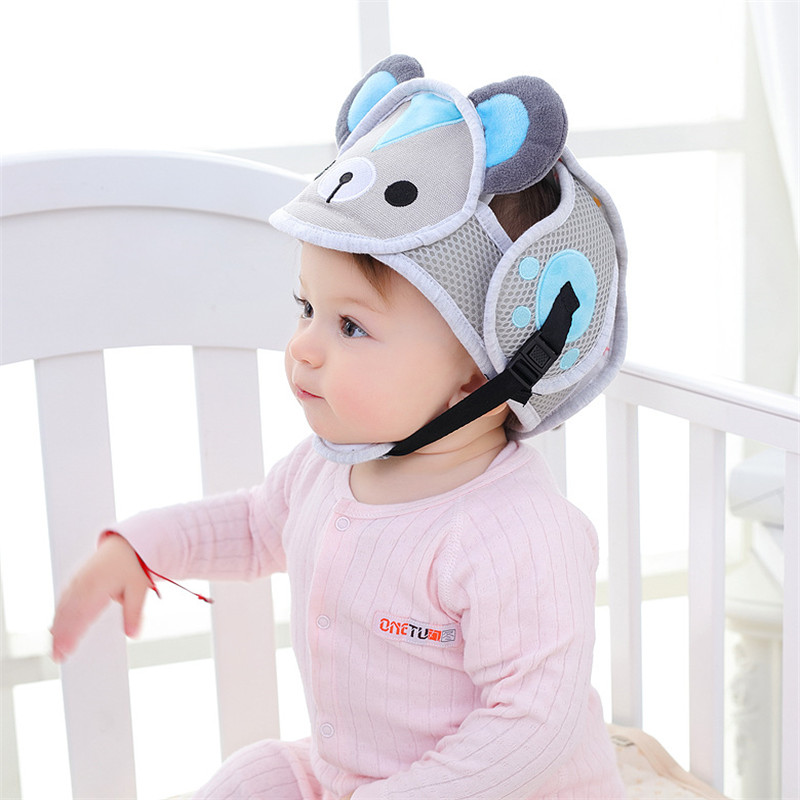
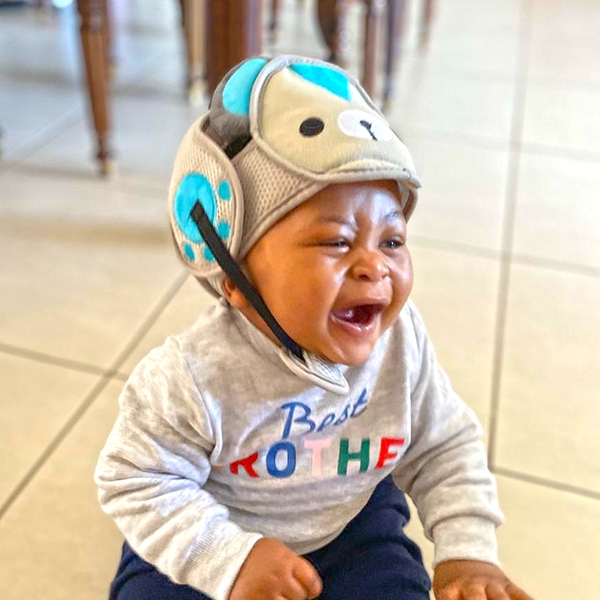
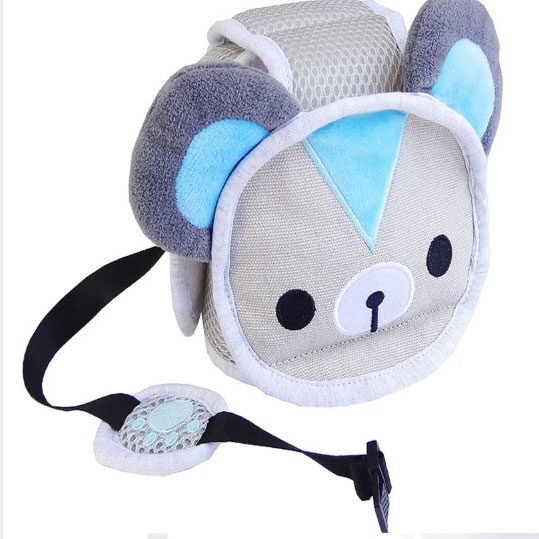
Bumper Buddy Baby Protective Headgear
$ 21.60
Bumper Buddy Baby Protective Headgear Product Information: Bumper Buddy Baby Protective Headgear Product Disclaimer: Bumper Buddy Helmet is not a substitution for an informed caregiver. Can cause chin strap snagging when left on for prolonged periods. Headgear ventilation slits leave some area of the head exposed. Not suitable for pedal cyclists, skateboarders and roller skaters. Please do not use if allergic to synthetic materials. Important information: The Bumper Buddy Protective Headgear has strategically placed ventilation holes to allow heat out but REMEMBER wearing any headgear can become hot and uncomfortable after too long. Adults know when a helmet makes them too hot but a child DOES NOT! – Please check constantly. It is the parent’s responsibility to monitor for overheating – especially in very hot weather. NEVER allow a child to sleep with the hat on. Make sure children get plenty of fluids. Water is best before, during and after prolonged activity. Encourage a “cooling-off” time in the shade if possible. Do not use if child is unwell, running a temperature or fever. The Bumper Buddy Protective Headgear is NOT an equestrian or cycle helmet and cannot offer the same protection. The Bumper Buddy Protective Headgear can only reduce the severity of bumps & bruising. Getting your baby to wear anything on their head can be a huge challenge. It is best to introduce your baby to hats/head helmets/protectors at an early age, as it will be more readily accepted. (The acceptance of a head helmets/protectors/hats will also help promote the wearing of a cycle helmet when that time comes.) Ideally your little one should be used to wearing a sun hat before being introduced to a baby toddler head protectors. Useful tips and tricks to overcome this challenge: When first introducing your little adventurer to a baby toddler head protector, let them play with it first for a day or two, so they become familiar with the item. Once you see they are interacting with it by themselves; starting make funny gestures, like placing it on your own head, whilst laughing and joking around. This is a ‘monkey see, monkey do kind’ fun kind of technique. The next step would be to gently, with perseverance and praise, place the hat/head helmets/protector on baby/toddler’s head for just a couple of minutes a day, followed by prolonged lengths of time as you see they become more and more comfortable with wearing it. The process seems cumbersome; However, keep your eye on the goal and in the end it will help you save time, money and even possible trauma. With toddlers on the other hand, there may be some resistance, as most children don’t like to wear hats at the best of times. It is easier to try putting on a head helmets/protector to your child when he is preoccupied with playing or just before leaving the house or going out to the garden, distraction is key. Sometimes if it’s all done fast with excitement, there is no time for the toddler to realize he has had the hat put on! If it doesn’t work first time, don’t let it ruin your child’s fun. After all, it’s more important to develop emotional skills than motor skills. Try again another time with gentle perseverance and praise. It will work eventually. Learn What to Do in Case Your Child has a Head Injury Article courtesy of: Ask Dr Sears The skulls main function is to act as a protective helmet for the delicate brain found underneath it. Add to that, it is covered with a richly vascularized scalp, designed to withstand the hard bumps and bruises of childhood. Understanding the difference between a skull injury and a brain injury is very important when it comes to head injuries. Most falls involve injury to the scalp only, which bleeds profusely if cut or forms a large swelling (goose egg) from broken blood vessels beneath the skin. Don’t be alarmed by how quickly these large bumps appear. They go down quickly with an ice pack and pressure. Bumps and bleeds are usually limited to a scalp injury and seldom indicate that the underlying brain has been injured. Here are some tips to help you get through this minor head injury. (…Read more)
No more offers for this product!